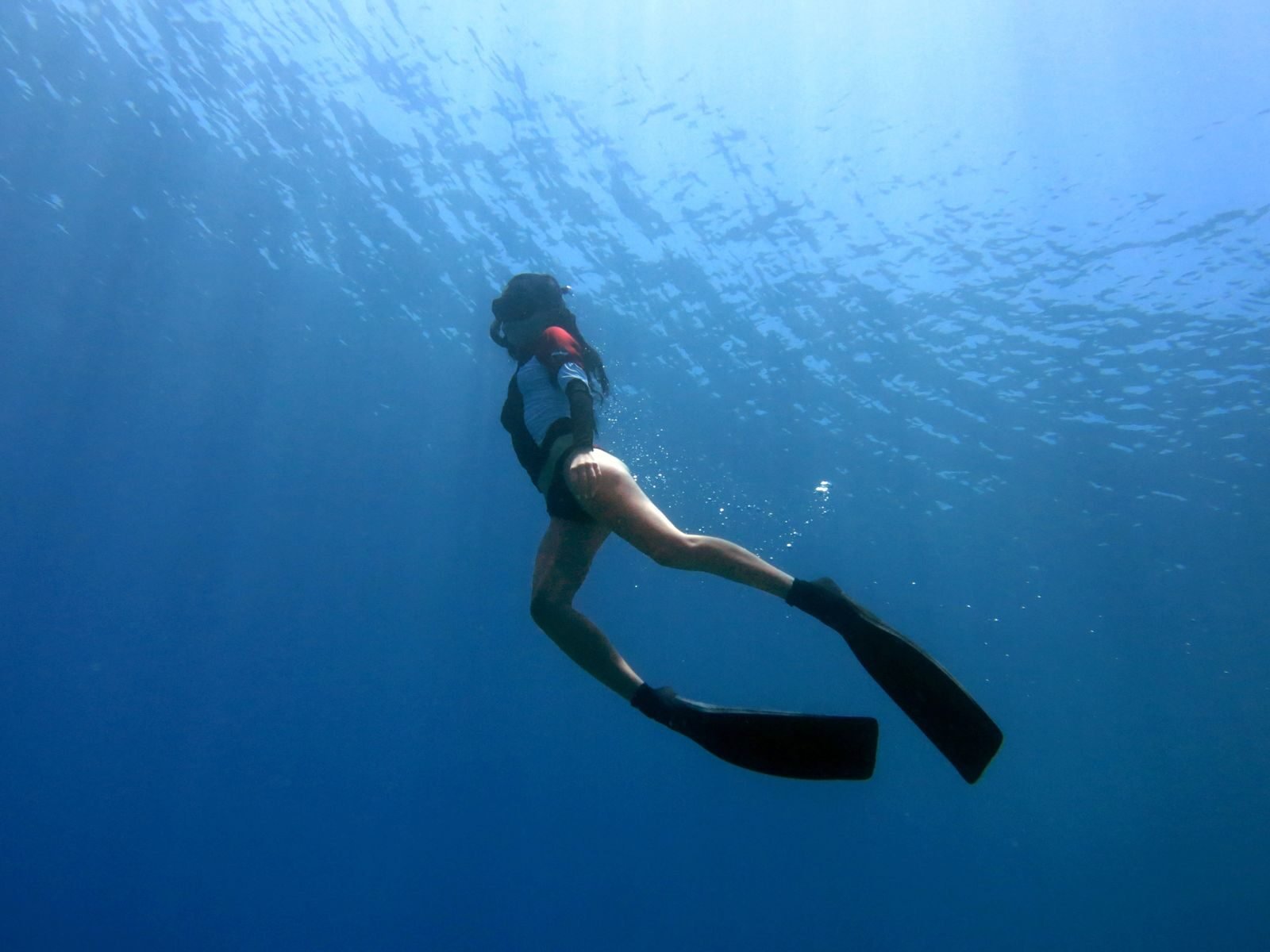
Why the ultra-wealthy are still betting on the mysteries—and treasures—beneath the ocean.

Expanding access to the deep ocean will spark interest in exploration, Rush believes:
Getting underwater is “such an amazing emotional experience.” Becky Kagan Schott
After the OceanGate Titan disaster exposed the risks of turning the Titanic into an adventure playground, deep-sea exploration is once again attracting billionaires, private companies and ambitious entrepreneurs. The technology may be better. The question is whether our appetite for the extraordinary has changed.
There was a moment, after the Titan submersible disappeared beneath the North Atlantic in June 2023, when the romance of exploring the Titanic seemed to give way to something far less glamorous. The deaths of the five people aboard OceanGate’s submersible became a brutal reminder that the deep ocean does not care about wealth, ambition or technological confidence.
At roughly 3,800 metres below the surface, the margin for error is almost unimaginably small, and the consequences of getting something wrong are immediate and absolute.
The tragedy also exposed an uncomfortable characteristic of modern luxury culture: the desire to experience places that most people will never reach can sometimes become an incentive to push beyond established boundaries. The Titan was not simply another submarine. It represented the increasingly blurred line between scientific exploration and extreme adventure as a private luxury experience, with wealthy passengers paying for access to one of the most inhospitable environments on Earth.
And yet, only three years later, the appetite for the deep has hardly disappeared.
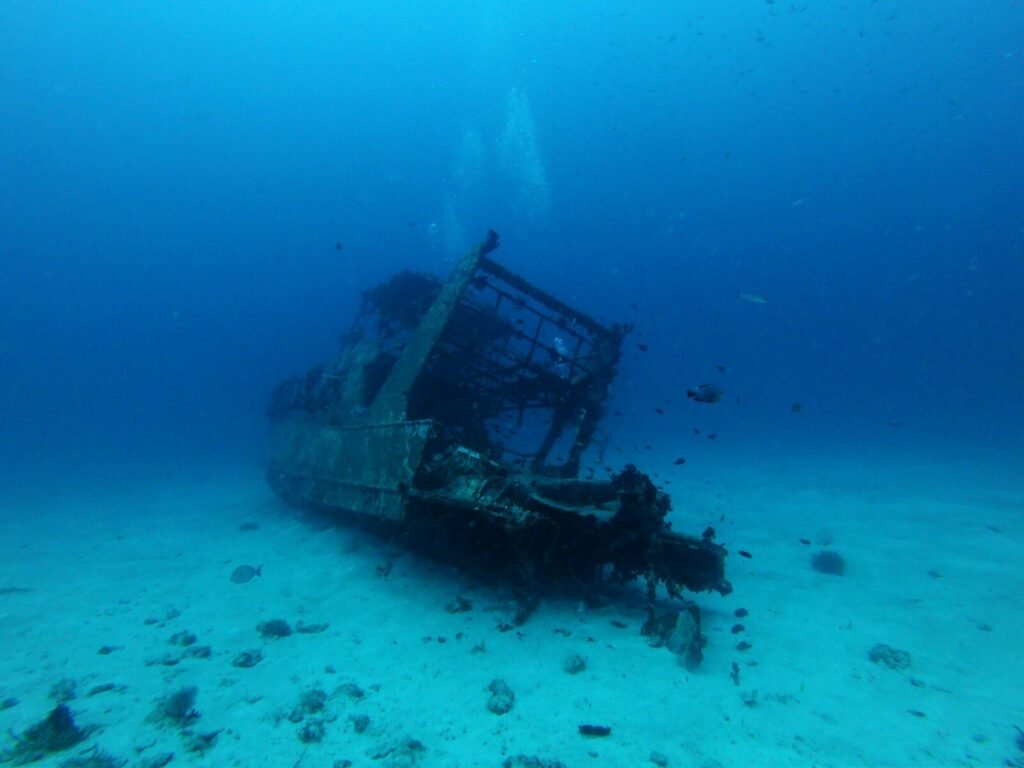
Advances in autonomous underwater vehicles, remotely operated craft and sophisticated ocean-mapping technology are allowing private expeditions to reach shipwrecks and unexplored sections of the seabed with capabilities that previous generations could barely imagine. Wealthy entrepreneurs are financing fleets equipped with submersibles and specialised vessels, searching for everything from centuries-old Spanish galleons to aircraft and other lost historical objects.
On paper, this new generation of exploration is very different from OceanGate. Some operations work directly with governments and scientific institutions, while others emphasise conservation, documentation and the preservation of recovered artefacts. The technology is increasingly sophisticated, and many of these projects are being conducted by companies with substantial experience in marine surveying rather than by individuals improvising their way into the abyss.
But the Titan disaster left behind a question that technology alone cannot answer: just because we can go somewhere, should we?
That question becomes particularly relevant when private wealth is involved. For the ultra-rich, exploration has become one of the few frontiers where money can still purchase something genuinely exclusive. A private expedition to a historic wreck offers an experience that cannot be replicated by booking a suite, chartering a yacht or flying first class. It promises proximity to history itself, along with the possibility of discovering something that has remained unseen for centuries.
The danger is that exclusivity can encourage a particular kind of thinking: if the technology exists and the resources are available, the experience should be possible.
The ocean repeatedly proves otherwise.
The Titan disaster was not a rejection of exploration. It was a reminder that exploration carries a responsibility that luxury consumption does not. A dangerous environment cannot be made safe simply because the people entering it have the money to build the equipment. And historical wrecks are not theme parks simply because technology allows us to visit them.
There is, however, a compelling argument for continuing to explore the deep. Expeditions backed by private capital have already helped map underwater environments, locate historic wrecks and develop technologies with applications far beyond treasure hunting. The same capabilities can potentially contribute to scientific research, marine conservation, disaster investigation and the search for objects that have disappeared beneath the ocean.
Perhaps that is the distinction worth preserving. The problem is not wealthy people exploring the ocean. The problem begins when exploration becomes another luxury product, where danger itself becomes part of the experience and the ability to pay is mistaken for the right to proceed.
The tragedy of Titan should not have made us afraid of the deep. It should have made us more respectful of it.
Because the greatest lesson from the disaster was never that humans should stop exploring. It was that the ocean does not negotiate with ego, wealth or ambition. No matter how advanced the vessel, how influential the passengers or how compelling the prize, the deep sea remains indifferent.
And perhaps that is exactly the lesson the next generation of wealthy explorers needs to remember before descending.
Leave a Reply